


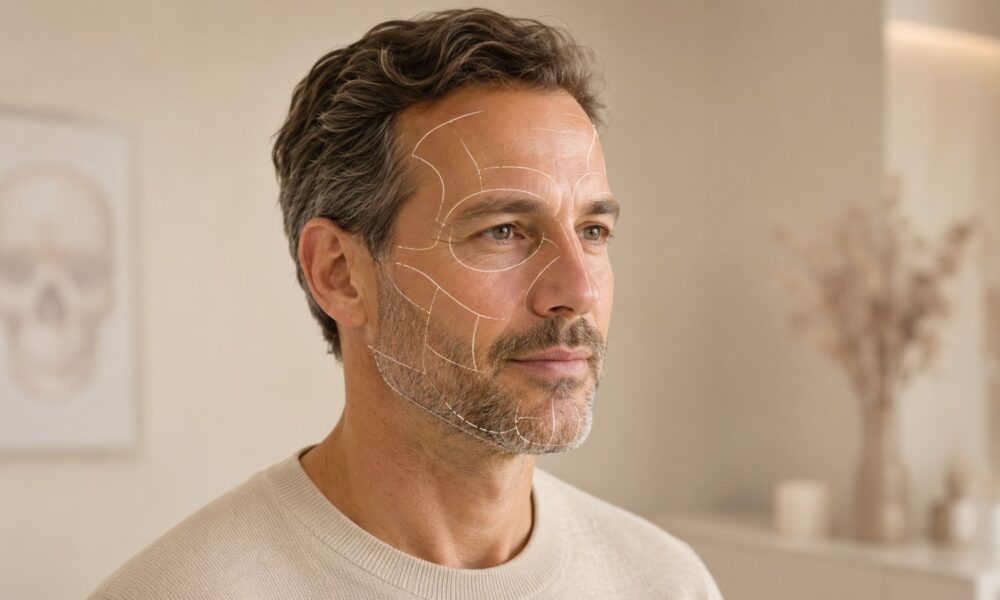
Craniofacial Reconstruction
What Is Craniofacial Reconstruction?
Craniofacial reconstruction restores the structure and appearance of the skull and facial bones following complex trauma, tumor removal, congenital conditions, or previous surgery. Because these procedures often involve the bones surrounding the brain, eyes, and airway, Dr. Esen approaches each case with close attention to both safety and long-term facial harmony, often coordinating with other specialists as part of a comprehensive treatment team.
Symptoms and Concerns Craniofacial Reconstruction Can Address
Craniofacial reconstruction may be suitable if you experience:
- Significant skull or facial bone defects following trauma or tumor removal
- Congenital craniofacial differences present since birth
- Complex facial asymmetry involving the underlying bone structure
- Bone loss or deformity following previous surgery or radiation treatment
- A need to restore both the protective function and natural appearance of the skull and facial skeleton
Who Is a Good Candidate for Craniofacial Reconstruction?
You may be a good candidate if you:
- Have a significant skull or facial bone defect from trauma, tumor removal, or a congenital condition
- Are in stable overall health and cleared for a complex surgical procedure
- Are working with, or have been referred by, other specialists as part of your broader care, such as neurosurgery or oncology
- Have realistic expectations about the staged, often multi-team nature of craniofacial reconstruction
- Understand that these procedures prioritize restoring safe, functional anatomy alongside aesthetic appearance
During your consultation, Dr. Esen conducts a thorough review of your medical history, imaging, and any prior treatment, often coordinating with your broader care team to design a safe and comprehensive reconstructive plan.
How Craniofacial Reconstruction Is Performed
Craniofacial reconstruction is performed under general anesthesia and can range from several hours to significantly longer for complex cases, often performed in coordination with other surgical specialists.
- 1. A thorough evaluation using advanced imaging to map the extent of the bone or soft tissue defect
- 2. Development of a detailed reconstructive plan, which may involve custom implants, bone grafts, or tissue transfer techniques
- 3. Careful surgical access to the affected area, prioritizing protection of critical structures such as the brain, eyes, and airway
- 4. Reconstruction of the affected bone or soft tissue using the planned technique
- 5. Meticulous closure, with attention to both structural stability and aesthetic outcome
Recovery Timeline
Days 1–7 Close monitoring in a hospital setting is typical, with swelling and discomfort expected during this period.
Weeks 2–4 Initial healing progresses, and swelling gradually decreases as monitored by the surgical team.
Weeks 6–8 Patients begin a more active return to daily life, guided by the specific procedure and any coordinated specialist care.
Months 3–6 Bone healing and integration continue to mature, with any planned additional stages considered during this period.
Months 6–12 Final results are achieved, including any staged refinement procedures for complex reconstructions.
Expected Results
A successful craniofacial reconstruction delivers:
- Restored structural integrity and protection of the skull and facial skeleton
- Improved facial symmetry and appearance
- Correction of congenital or acquired craniofacial differences
- A stable foundation supporting long-term function and safety
- Coordinated care that addresses both reconstructive and, where relevant, functional medical needs
Frequently Asked Questions (FAQs)
Will I need a team of specialists for this surgery?
Many craniofacial reconstruction cases are managed alongside other specialists, such as neurosurgeons or oncologists, particularly when the underlying cause involves the brain or a tumor.
How many surgical stages will I need?
This depends heavily on the complexity and cause of the defect. More extensive craniofacial reconstructions are often staged across multiple procedures over time.
Is craniofacial reconstruction only for adults?
No. Craniofacial reconstruction addresses conditions across all ages, including congenital differences present in children, which are often approached with attention to ongoing growth and development.
Will insurance or treatment plans help cover this surgery?
Coverage varies significantly depending on the underlying cause and medical necessity. Dr. Esen’s team can help guide you through your options.
How is this different from standard facial trauma surgery?
Craniofacial reconstruction typically addresses more extensive or complex bone and soft tissue defects, often involving the skull itself, and may require closer coordination with other surgical specialists than standard facial trauma repair.