

Upper vs Lower Eyelid Surgery: Which One Actually Makes You Look Younger?
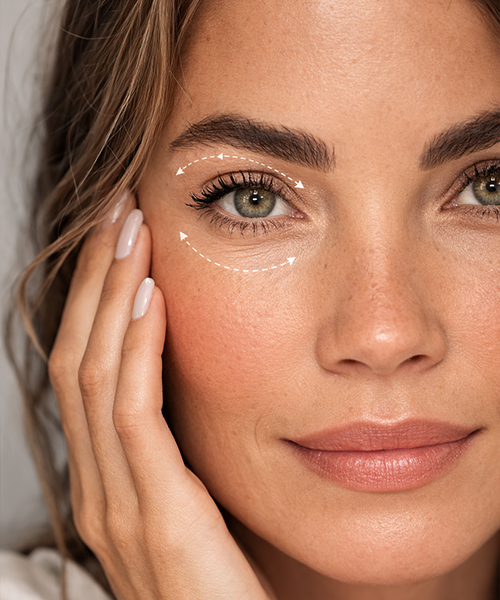
A Plastic Surgeon’s Guide to Choosing the Right Eyelid Procedure
The eyes are often the first area of the face to show signs of aging. Even when the rest of the face looks youthful, drooping eyelids or under-eye bags can create a tired, aged appearance. Eyelid surgery (blepharoplasty) is one of the most effective facial rejuvenation procedures, but many patients are unsure whether they need upper eyelid surgery, lower eyelid surgery, or both.
Understanding the difference between these two procedures is essential for achieving natural, youthful results. This guide explains how each type of eyelid surgery affects appearance and which one truly contributes to a younger look.
Why the Eye Area Ages So Early
The skin around the eyes is thinner and more delicate than anywhere else on the face. Over time, several changes occur:
- Skin loses elasticity
- Fat pads shift or bulge forward
- Muscles weaken
- Eyelids begin to sag
- Hollowing or puffiness appears under the eyes
These changes affect upper and lower eyelids differently, which is why treatment must be tailored rather than generalized.
What Upper Eyelid Surgery Treats
Upper Eyelid Blepharoplasty focuses on removing excess skin and, when necessary, small amounts of fat or muscle from the upper eyelids.
Common signs you may need upper eyelid surgery include:
- Drooping or hooded upper eyelids
- Heavy-looking eyes
- Loss of a visible eyelid crease
- Makeup smudging due to excess skin
- A tired or angry appearance
- Visual obstruction in severe cases
How it makes you look younger:
Upper eyelid surgery opens the eyes, restores a clean eyelid crease, and removes heaviness that makes the face appear fatigued. Patients often look more alert, energetic, and refreshed, sometimes dramatically so. Upper eyelid surgery tends to create a clear, immediate rejuvenation effect, especially in patients with significant skin laxity.
What Lower Eyelid Surgery Treats
Lower Eyelid Blepharoplasty targets puffiness, under-eye bags, wrinkles, and hollowing beneath the eyes.
Common signs you may need lower eyelid surgery include:
- Persistent under-eye bags
- Puffy or swollen lower eyelids
- Dark shadows caused by fat displacement
- Wrinkled or crepey skin under the eyes
- A tired look even after good rest
How it makes you look younger:
Lower eyelid surgery smooths the transition between the eyelid and cheek, reducing shadows and puffiness. Rather than making a dramatic change, it creates a soft, rested, and youthful appearance. In modern techniques, fat is often repositioned instead of removed to avoid a hollow or aged look.
Upper vs Lower Eyelid Surgery: Key Differences
| Aspect | Upper Eyelid Surgery | Lower Eyelid Surgery |
| Main concern | Excess skin, drooping | Bags, puffiness, wrinkles |
| Visual impact | More open, alert eyes | Smoother, rested look |
| Aging signs addressed | Heaviness, hooding | Tired, swollen appearance |
| Recovery | Slightly faster | Mildly longer due to swelling |
| Scarring | Hidden in eyelid crease | Hidden below lashes or inside eyelid |
Which One Makes You Look Younger?
The answer depends on what is aging your face the most.
- If your eyes look heavy, droopy, or closed, upper eyelid surgery usually has the strongest rejuvenating effect.
- If you look constantly tired or puffy, lower eyelid surgery often provides the most noticeable improvement.
- If both upper heaviness and under-eye bags are present, combined upper and lower blepharoplasty typically delivers the most balanced and youthful result.
Many patients are surprised to learn that treating only one area may not fully restore harmony to the eye region.
Do You Always Need Both Upper and Lower Eyelid Surgery?
No. Some patients only require one procedure, especially in early aging stages. Over-treating the eye area can lead to unnatural results, which is why precise evaluation is critical.
During consultation, Dr. İkram Esen assesses:
- Skin elasticity
- Fat distribution
- Eyebrow position
- Facial proportions
- Overall aging pattern
This ensures that surgery is targeted, not excessive.
Recovery and Downtime Differences
Both procedures are generally well tolerated, but recovery differs slightly.
Upper Eyelid Surgery:
- Mild swelling and bruising
- Sutures removed within 5–7 days
- Return to work in about 7–10 days
Lower Eyelid Surgery:
- Slightly more swelling
- Bruising may last longer
- Return to work in about 10–14 days
Final results continue to refine over several weeks as swelling subsides.
Can Eyelid Surgery Be Combined With Other Procedures?
Yes. Eyelid surgery is commonly combined with:
- Facelift or mini facelift
- Brow lift
- Fat grafting
- Laser skin resurfacing
Combining procedures can enhance overall facial rejuvenation when done safely and appropriately.
Final Thoughts
Both upper and lower eyelid surgery can make you look younger, but in different ways. The most effective approach depends on the specific changes in your eye area. A personalized evaluation is essential to determine which procedure, or combination, will provide the most natural and satisfying result.
A well-planned eyelid surgery enhances the eyes without drawing attention to the fact that surgery was performed.

When Can You Exercise After Plastic.
A Complete Guide to Returning to Physical Activity Without Compromising Your Results Returning to exercise is one of the most.
Read More
What Causes Sagging in the Face.
Understanding the Structural Changes Behind Facial Aging Facial aging is a gradual process that affects every layer of the face,.
Read More