


Otoplasty (Ear Reshaping Surgery)
What Is Otoplasty?
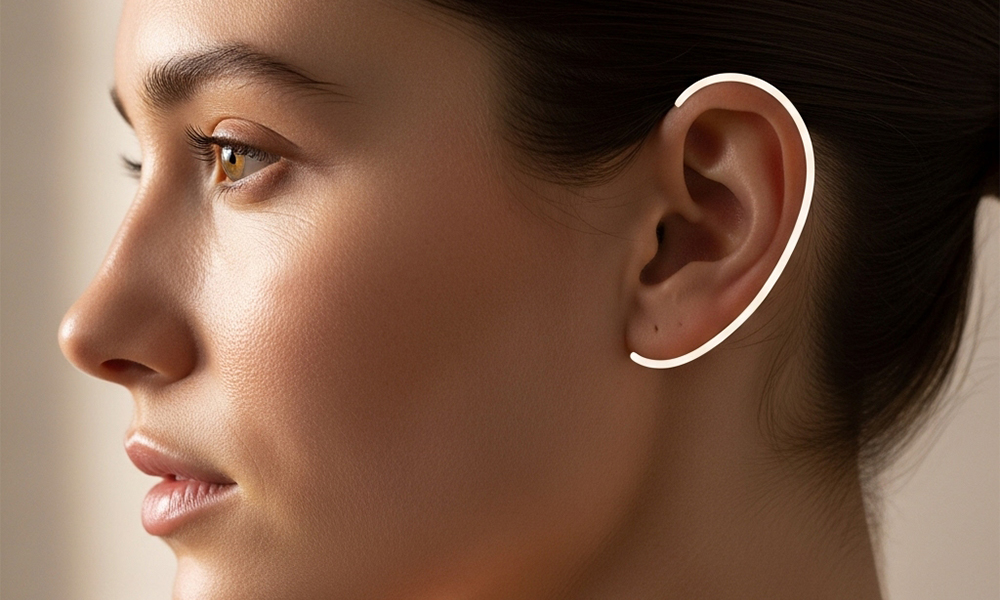
Otoplasty is a cosmetic ear surgery that reshapes the ear cartilage to bring overly prominent ears closer to the head or correct irregularities in the ear structure. Unlike temporary non-surgical treatments, otoplasty provides long-lasting, structural correction. The goal is to create natural ear proportions that complement the facial profile without appearing surgically altered.
Symptoms and Concerns Otoplasty Can Address
Otoplasty may be suitable if you experience:
- Prominent or protruding ears
- Asymmetry between the ears
- Overdeveloped or underdeveloped ear cartilage
- Cup-shaped ears
- Lop ear deformity
- Constricted or folded ear edges
- Trauma-related deformities
Types of Otoplasty Procedures
Dr. Esen selects the appropriate technique based on the specific ear concern being addressed:
Ear Pinning (Traditional Otoplasty)
Corrects protruding ears by reshaping and securing the cartilage closer to the head. This technique offers a dramatic improvement in prominence with permanent, natural results, and incisions are hidden behind the ear.
Cartilage Reshaping and Reconstruction
Ideal for ears with structural deformities. This may include scoring or folding the cartilage, suturing techniques to create natural curves, and reconstructive adjustments for congenital or trauma-related shape issues.
Earlobe Correction
Treats torn or stretched earlobes, large earlobes, or earlobe asymmetry. Often performed alone or combined with full otoplasty.
Who Is an Ideal Candidate for Otoplasty?
Otoplasty is suitable for both children and adults. Candidates generally include those who:
- Feel self-conscious about prominent or asymmetric ears
- Have fully developed ear cartilage (typically age 5–6 and older)
- Are in good overall health
- Have realistic expectations
- Desire permanent improvement in ear shape or position
Children often benefit significantly, as early correction prevents psychological discomfort and integrates seamlessly into facial development.
How Otoplasty Is Performed
A typical otoplasty takes 1 to 2 hours and is performed under local anesthesia for adults or general anesthesia for young children.
- 1. Incision placement behind the ear, hidden in the natural crease for minimal visibility
- 2. Exposing and reshaping the cartilage using sutures or contouring techniques
- 3. Repositioning the ear closer to the head at the correct angle
- 4. Fine suturing and dressing to secure the new shape for a stable, long-lasting result
Techniques vary depending on the degree of correction needed and the ear’s natural anatomy.
Recovery Timeline
Days 1–3 Mild discomfort and swelling are expected. A bandage or protective dressing is applied to maintain ear position.
Days 4–7 The bandage is removed; a lighter headband may be worn. Normal activities resume with caution.
Week 2 Stitches absorb or are removed. Bruising largely resolves.
Weeks 3–6 Ears settle into their final position. Patients can return to sports, except contact sports.
Months 2–3 Final contours become visible, and scars fade into the natural folds behind the ear.
Children should avoid activities that may fold or pull the ears for several weeks.
Expected Results
A successful otoplasty achieves:
- Symmetrical, naturally shaped ears
- Improved balance between the ears and facial features
- Permanent correction of ear prominence
- Enhanced confidence and comfort in appearance
- Minimal scarring hidden behind the ears
Results are long-lasting and do not change significantly with age.
Frequently Asked Questions (FAQs)
At what age can a child undergo otoplasty?
Typically from age 5–6, once ear cartilage is fully developed.
Will the ears look natural after surgery?
Yes. The goal is subtle, balanced contouring — not an excessively “pinned back” appearance.
Is the surgery painful?
Mild discomfort is normal during the first days but manageable with prescribed medication.
How long do results last?
Otoplasty provides permanent improvements, with no need for future treatment.
Will scars be visible?
No, incisions are placed behind the ear where they blend seamlessly into the natural crease.